Best Chainsaw Pants for Climbing in the US (2025 Review: Cool, Light, and OSHA-Ready)

If you’ve ever been up in a tree with a running saw, you know there’s no room for shortcuts. One slip, one kickback, and your safety depends entirely on the gear you trust. For climbers, that means your chainsaw pants aren’t just another piece of workwear. They’re the difference between walking away or heading to the hospital.

That’s why it’s worth taking a closer look at the best chainsaw pants for climbing in 2025. While chaps are fine for ground crews, climbers need more—gear that moves with them, stays cool in the heat, and protects from every angle.

Why Chainsaw Pants Matter for Climbers

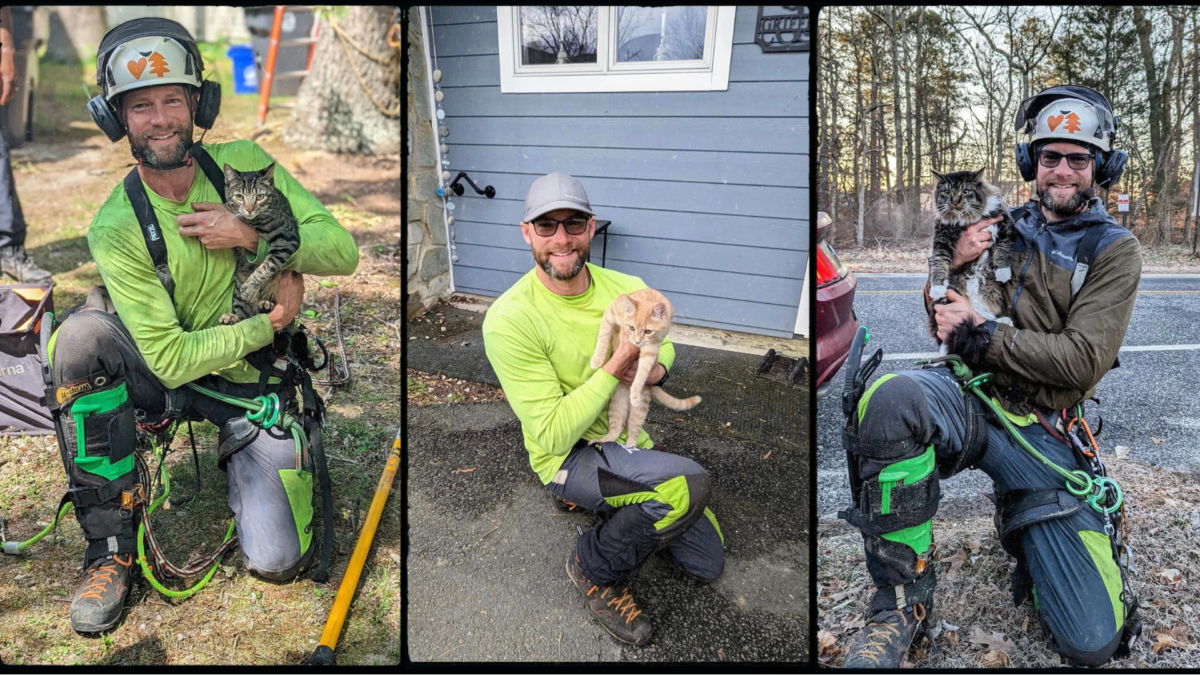
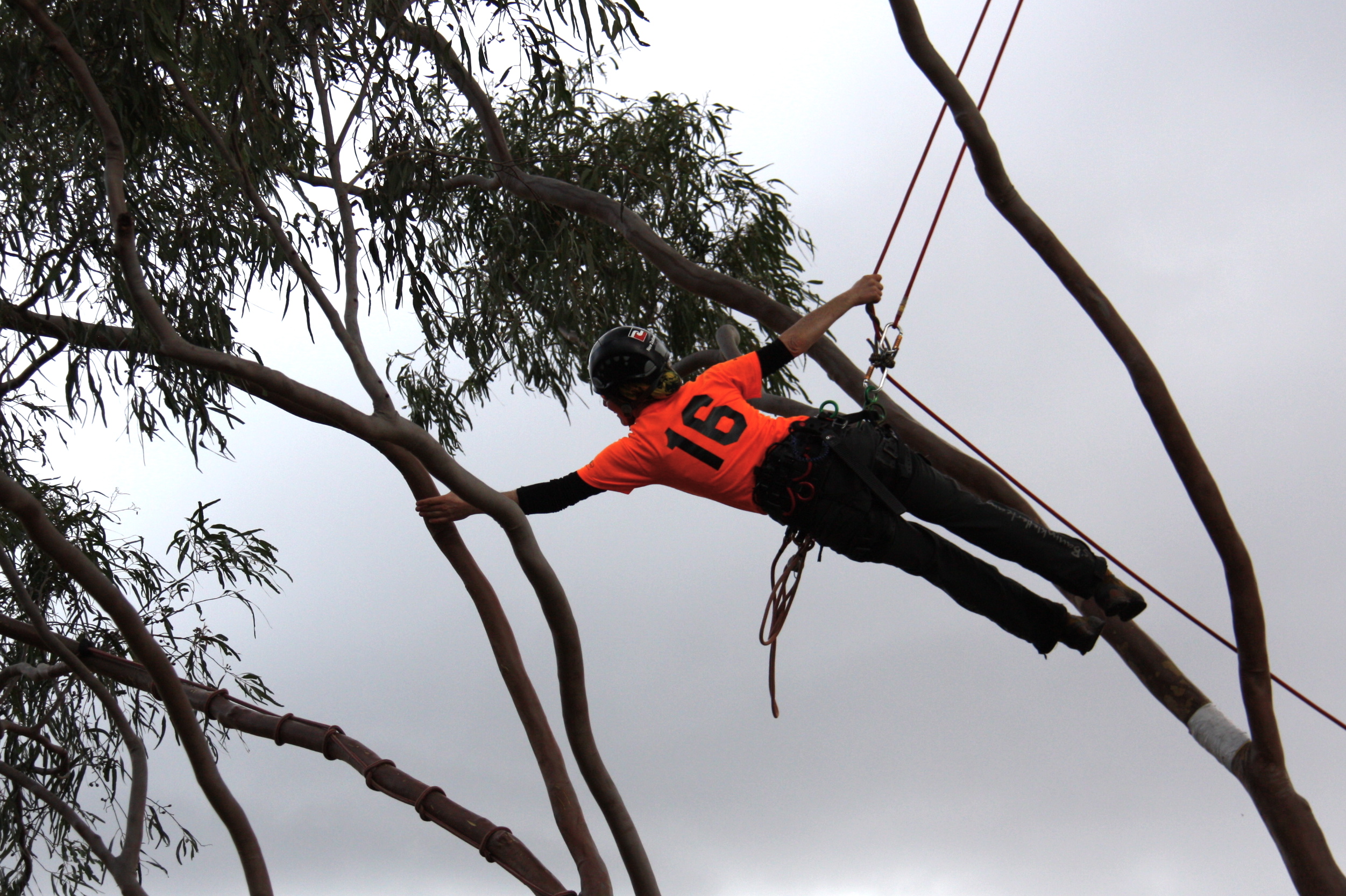
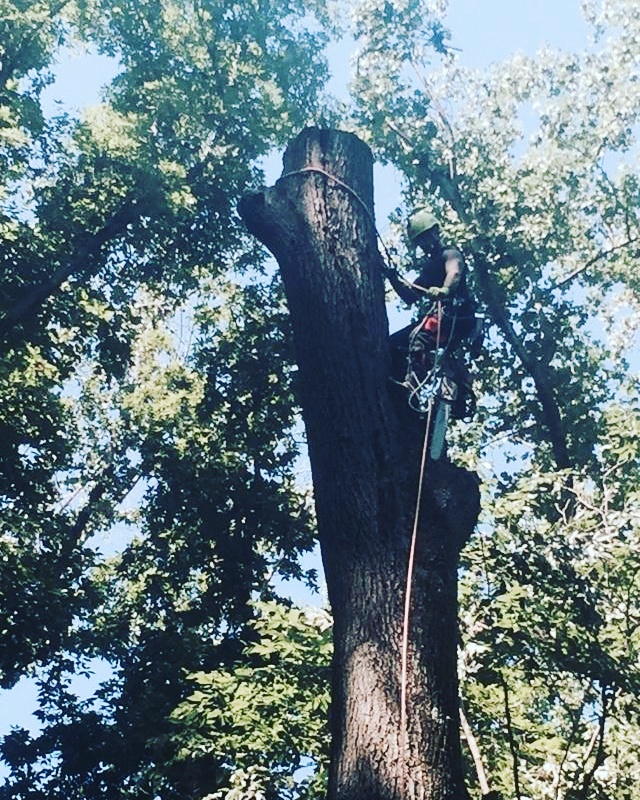
Ground sawyers and tree climbers face very different hazards. On the ground, the chain usually runs out front. In the canopy, it can come from any direction—across the leg, around the calf, or behind the knee. That’s why most professional climbers prefer pants over chaps.

Chainsaw pants offer wrap-around protection (depending on the model), better fit in harnesses, and more consistent safety coverage when your legs are constantly shifting position.

If you’re climbing for a living, OSHA and ANSI Z133 standards make protective legwear mandatory, but what you wear can go far beyond basic compliance.

What to Look For in Chainsaw Pants for Climbing

When choosing chainsaw pants, climbers should focus on five main factors:

  1. Safety compliance. The pants must meet or exceed OSHA 1910.266 and ANSI Z133 requirements, with ASTM F1897 testing for cut resistance.
  2. Breathability. Working through a humid Georgia summer or a long California afternoon can be brutal without cooling fabrics.
  3. Flexibility. You need full range of motion for rope work, leaning, and cutting in awkward positions.
  4. Durability. Ropes, harness straps, and tree bark will test every seam.
  5. Climate fit. Southern crews need cooling designs, the Pacific Northwest needs weather resistance, and mountain climbers need something that balances both.

1. Clogger Zero Ultra Chainsaw Pants

Best Overall for Climbers in Hot or Humid States

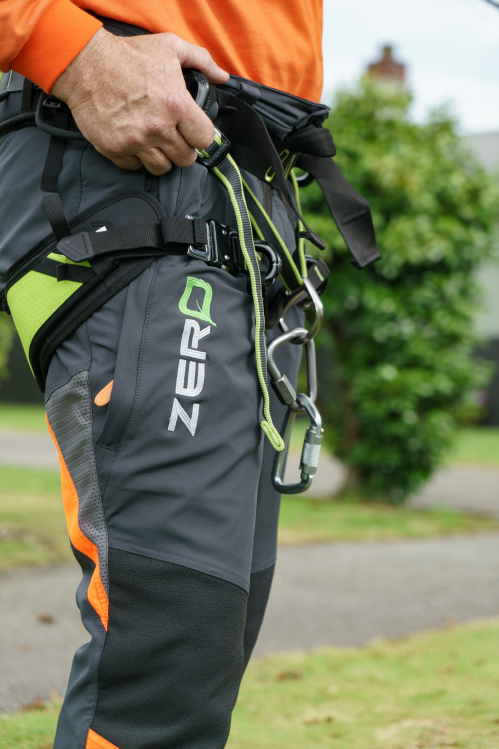
The Clogger Zero Ultra is built for the kind of climbing days that test your endurance. These pants are extremely light, breathable, and flexible—so much so that many arborists describe them as “athletic gear that just happens to stop chainsaws.”

Using Clogger’s latest Zero Ultra fabric system, they combine heat-releasing stretch panels with a six-layer Arrestex HP protective core that instantly jams the chain on impact.

  • Meets ASTM F1897 and ANSI Z133 standards.
  • Front protection comes standard, with an optional 360° upgrade for full wrap coverage.
  • Moisture-wicking, fast-drying, and built for movement.
  • Reinforced outer shell for rope friction and bark abrasion.
  • Engineered to perform in high humidity and heat.

Perfect for climbers in Florida, Texas, and Southern California where breathability can mean the difference between comfort and heat stress.

Explore the Zero Ultra at Clogger USA

2. Clogger DefenderPRO Chainsaw Pants

Best for Rugged, Wet, or Cold Conditions

For climbers who work year-round or in unpredictable weather, the DefenderPRO is built to take abuse. It’s heavier than the Zero Ultra but adds abrasion zones, water resistance, and a tougher FR outer layer that stands up to rope friction and rain.

  • ASTM F1897-tested and ANSI Z133-compliant.
  • PFAS-free DWR coating for eco-friendly repellency.
  • Reinforced knees and lower legs for rope wear.
  • Optional 360° protection upgrade available.

The DefenderPRO is ideal for crews in the Pacific Northwest, Northeast, and Midwest, where durability and moisture management are a must.

3. Pfanner Gladiator Ventilation Pants

Pfanner’s Gladiator pants are known for toughness. With Kevlar reinforcements and solid airflow, they handle rough bark and demanding climbs. However, they run heavier and warmer than the Clogger Zero Ultra, so they’re better for cooler climates or crews who prioritize durability above all else.

4. Arbortec Breatheflex Pro Type C Pants

Arbortec’s Breatheflex Pro offers full 360° protection out of the box. The fabric is flexible and sturdy, though heavier than the Zero Ultra. They’re a solid choice for climbers who want consistent wrap protection without additional options.

5. Husqvarna Technical Pants

Husqvarna’s Technical Pants strike a balance between protection, affordability, and comfort. They’re ANSI-certified and feature reinforced knees and moisture-resistant panels. A good option for mixed ground and aerial crews.

6. STIHL Protective Pants

Easy to find at most dealers, STIHL’s protective pants offer entry-level ANSI-rated protection. They’re reliable but bulkier, making them better for occasional climbs rather than all-day professionals.

Regional Fit Across the U.S.

RegionRecommended PantsWhy
South & MidwestClogger Zero UltraLightweight and breathable for hot conditions
Pacific NorthwestClogger DefenderPROTough and weather-resistant
NortheastDefenderPROIdeal for wet and cold conditions
RockiesZero UltraLight and flexible for steep terrain
Desert States (AZ, NM, NV)Zero UltraMaximum airflow and fast-drying fabric

Why Clogger Leads the Market in 2025

Clogger continues to set the benchmark for chainsaw protection. The Zero Ultra redefines what climbers expect from PPE—combining cooling performance with serious protection. The DefenderPRO remains the go-to for year-round or heavy-duty work.

Both lines are field-tested across North America and meet the safety standards used by USFS and municipal agencies.

Each pair balances strength, weight, and flexibility, giving you gear that protects without slowing you down.

How Chainsaw Pants Protect You

Modern chainsaw pants use layers of high-strength fibres that are designed to jam the saw instantly if contact occurs. Clogger’s Arrestex HP fabric works by pulling tough fibres into the chain’s drive sprocket, locking it in place before it can reach your leg.

No pants are “cut-proof,” but quality PPE can mean the difference between a minor cut and a life-threatening injury.

Quick Buyer’s Checklist

  • ANSI Z133 and OSHA 1910.266 compliant
  • ASTM F1897 cut-resistance tested
  • Front protection with optional 360° wrap upgrade
  • Breathable, moisture-wicking fabric
  • Reinforced seams and outer shell
  • Lightweight for climbing and all-day wear
  • PFAS-free water-repellent coating

Final Thoughts

For climbers, comfort and safety should never compete. The Clogger Zero Ultra is the standout choice for 2025—lightweight, cool, and purpose-built for arborists who spend their days off the ground. If you work in wetter or colder climates, the DefenderPRO is the heavy-duty alternative you can trust.

Both deliver on what matters most: real protection, real comfort, and real-world durability.

Explore more at GoClogger.com and find the right fit for your climb.

What to Look For in Chainsaw PPE If You Work in Wildfires (US Market)

Wildland sawyers face a tough mix of heat, smoke, steep terrain, and fatigue. The right PPE has to do more than stop a chainsaw — it must also withstand the fireline. If you’re gearing up for the next season or updating your department specs, here’s what to look for in chainsaw PPE designed for wildfire conditions

1) Start with the standards that matter 

For US wildland operations, compliance isn’t optional — it’s lifesaving. 

  • NFPA 1977 (Standard on Protective Clothing and Equipment for Wildland Fire Fighting) defines performance requirements for FR clothing and accessories, including chaps used around saws. 
  • ASTM F1897 covers the specific cut-resistance standards for chainsaw leg protection. 
  • OSHA 1910.266 requires leg protection that resists chain cuts from the upper thigh to the top of the boot. 

When evaluating gear, make sure it’s NFPA 1977-certified, ASTM F1897-tested, and clearly labeled by a third-party certifier like UL. These are the standards used by USFS, Cal Fire, and municipal fire agencies nationwide

2) Fire-resistant materials that won’t melt 

In wildfire zones, your PPE must resist ignition and avoid melting or dripping when exposed to radiant heat. 
Look for aramid-based fabrics (like Nomex® and Kevlar® blends) or proprietary FR materials that meet NFPA 1977. Avoid synthetics like nylon and polyester in outer shells — they can melt to skin under high heat. 

Clogger’s Arrestex FR system, used in its Wildfire line, is purpose-built for this: flame-resistant, lightweight, and designed to jam the chain instantly without melting or burning. 

3) Lightweight protection that beats the heat 

Wildfire work is endurance work. Crews may hike miles through steep, smoky terrain while carrying saws, fuel, and line gear. 
PPE that traps heat quickly becomes a hazard itself — increasing dehydration, fatigue, and heat exhaustion risks. 

Seek features like: 

  • Breathable FR fabrics that let moisture escape 
  • Moisture-wicking liners 
  • Slim, articulated fit to reduce snagging 
  • Ventilation panels or lighter-weight protection zones in low-risk areas 

The goal: balance chainsaw cut resistance with all-day comfort and mobility. 

4) Labeling & verification checklist 

Before any gear goes on a truck, check the label. You should see: 

  • Meets NFPA 1977” with edition year 
  • ASTM F1897 certification 
  • Manufacturer, lot number, and date of manufacture 
  • Third-party certification mark (like UL) 

These ensure authenticity and traceability — a must for procurement compliance. 

5) Coverage and fit for steep terrain 

Chainsaw chaps or pants must cover from upper thigh to boot top, with full front or wrap protection depending on assignment. 
Look for: 

  • Quick-release belt systems 
  • Adjustable straps for secure fit 
  • Snag-resistant outer shells 
  • Durable stitching for rocky or brushy environments 

Proper fit prevents tripping and keeps the protection exactly where it needs to be when seconds count. 

6) PFAS-free and environmentally safer coatings 

With growing awareness around PFAS chemicals, many US agencies now prefer gear with PFAS-free water repellency. These coatings still resist light rain and moisture but avoid long-term environmental harm. 
Clogger Wildfire chaps use PFAS-free DWR technology — an important factor for eco-conscious departments and federal contracts. 

7) Maintenance and replacement protocols 

  • After any chain strike, retire and replace the PPE immediately — even if the outer fabric appears intact. 
  • Wash only as directed (no bleach or fabric softeners) to preserve FR coatings. 
  • Inspect regularly for UV fading, cuts, and delamination. 
    Keeping gear clean and documented improves lifespan and maintains compliance for audits. 

8) Don’t Forget the Rest of Your Wildland PPE Ensemble 

Chainsaw pants or chaps are just one part of the complete wildland firefighter ensemble. To ensure full-body protection and compliance with U.S. wildland standards, every sawyer should wear: 

  • Wildland helmet with eye and face protection 
  • FR shirt and pants (Nomex® or equivalent, NFPA 1977 certified) 
  • Leather gloves that resist flame, abrasion, and vibration 
  • Eight-inch lace-up leather boots with non-slip soles 
  • Respiratory protection when cutting in smoky or dusty conditions 
  • Hydration pack or line gear with essentials like first-aid and communication tools 

Each layer complements the other — leg protection without FR upper garments still leaves your body vulnerable. A complete, certified ensemble ensures every part of you is ready for the unpredictable conditions of the fireline. 

9) A field-proven example: Clogger Wildfire Chainsaw Chaps 

Built specifically for US wildland sawyers, the Clogger Wildfire line offers: 

  • NFPA 1977 certification and UL-approved labeling 
  • ASTM F1897 chainsaw protection performance 
  • FR Arrestex FR protective layers that won’t melt, burn, or drip 
  • PFAS-free outer fabric 
  • Ergonomic patterning for high mobility and reduced snagging 

Engineered in New Zealand and field-tested across North America, it’s protection you can trust when every cut matters. 

Explore the Clogger Wildfire range 

Quick Buyer’s Checklist 

✅ NFPA 1977 certified (label + UL/third-party mark) 
✅ ASTM F1897 tested for cut resistance 
✅ FR materials that won’t melt or drip 
✅ Breathable, lightweight construction 
✅ Proper coverage from thigh → boot 
✅ PFAS-free coating (if required) 
✅ Verified labeling and serial number 
✅ Compatible with full wildland ensemble 

Final Thought 

Wildfire chainsaw work demands precision, endurance, and absolute trust in your gear. Every layer — from helmet to boots — exists to buy you time and mobility in the heat of the line. 
Choosing PPE that meets the highest US standards isn’t just compliance — it’s survival. 

Why Standard Workwear Isn’t Enough for Chainsaw Work 

Chainsaws are not ordinary tools. They are built to cut fast and cut deep, and that same power makes them unforgiving when something goes wrong. In the United States, emergency rooms treat tens of thousands of chainsaw injuries every year, most of them involving the legs. Many of those injured were wearing nothing more than jeans or standard work pants.

Standard workwear cannot provide adequate chainsaw protection, whether you’re a contractor or a weekend user. Clogger USA offers chainsaw pants and chaps that meet the safety demands of arborists, loggers, and property owners across the United States.

The Limits of Ordinary Workwear 

On American worksites, denim and canvas are valued for durability and protection against scrapes. However, jeans and standard work pants cannot stop a chainsaw. When the chain makes contact, these fabrics shred instantly and may even pull the saw in deeper.

That’s why chainsaw protective clothing USA standards require specialized pants and chaps. Brands like Clogger USA design gear with cut-resistant fibers tested to jam the chain and prevent serious injury—something ordinary workwear will never do.

How Chainsaw Protective Clothing Works 

Protective pants and chaps are engineered with multiple layers of specialized fibers. When struck by a moving chain, those fibers burst apart and jam the saw’s drive system, forcing the chain to stop almost instantly.

This split-second reaction often means the difference between a devastating injury and a much less serious outcome. Ordinary workwear has no such design—and no such protection. That is why Clogger USA chainsaw pants and chaps are trusted by arborists, loggers, and landowners across the country. They meet chainsaw protective clothing USA standards and provide the safety layers you will never find in jeans or canvas.

 
Injury Costs Add Up Quickly 

The financial impact of one accident is staggering. Hospital bills for a deep laceration often reach into the tens of thousands of dollars in the United States. Rehabilitation and lost income can multiply that figure.

For many arborists, farmers, and landowners, those costs are life-changing. By comparison, investing in Clogger USA chainsaw chaps or pants is a small, preventative expense that protects both body and livelihood.

Why Professionals Don’t Take the Risk 

Across the United States, arborists, loggers, and tree-care crews treat chainsaw PPE as essential. From humid states in the South to the rain-soaked forests of Oregon and Washington, workers rely on certified chainsaw pants USA gear because they have seen what happens without it.

Modern protective gear has advanced as well. Today’s Clogger chainsaw pants USA options are lighter, breathable, and designed for long days in challenging climates. Safety and comfort no longer have to compete.

 
Not Just for Crews and Contractors 

It’s not only professionals who face risks. Homeowners clearing storm damage, farmers cutting firewood, and weekend landowners all use chainsaws—and face the same dangers.

The saw does not distinguish between a paid worker and a homeowner. Protective clothing USA chainsaw users rely on is just as critical in the backyard as it is on the job site.


Why Clogger USA Chainsaw Gear Matters

Standard workwear may be fine for general labor, but it offers no protection against the hazards of a chainsaw. Jeans and canvas cannot replace certified chainsaw pants and chaps USA crews trust to keep them safe in real-world conditions.

Clogger USA protective clothing is purpose-built to stop the chain on contact. By doing so, it safeguards more than just the body—it helps protect careers, livelihoods, and families across America.

The Chainsaw Buyer’s Guide (and the Protective Gear You Need With It) 

Buying a chainsaw is not the same as picking out a rake or hedge trimmer. A chainsaw is a powerful, high-speed cutting tool designed for serious work, and with that power comes real risk. Whether you are a homeowner preparing for storm cleanup, a property owner cutting firewood, or a professional arborist felling large trees, choosing the right chainsaw and the right protective gear to go with it is essential. 

This 2025 Chainsaw Buyer’s Guide will walk you through everything you need to know before buying, covering saw types, bar lengths, safety features, protective equipment, budgeting, and maintenance. Along the way, we will share data on accident statistics, industry trends, and how PPE innovations are making chainsaw use safer and more comfortable than ever. 

Why Chainsaw Safety Still Matters in 2025 

Chainsaws remain one of the most dangerous tools used in forestry, landscaping, and property maintenance. According to the U.S. Consumer Product Safety Commission (CPSC), there are around 36,000 chainsaw-related injuries treated in emergency rooms each year. 

  • Two-thirds of these injuries involve legs and knees, where an unprotected limb meets a running chain. 
  • The average chainsaw injury requires 110 stitches and costs thousands in hospital bills. 
  • Kickback, the sudden, forceful upward motion when the tip of the bar strikes wood, is a leading cause of accidents. 

At the same time, demand for chainsaws is rising. IBISWorld projects the U.S. landscaping and tree-care market to grow 3.2 percent annually through 2025, fueled by stronger storms, urban tree maintenance, and more Americans taking on DIY yard work. That means more first-time buyers entering the market and more need for education and protection. 

Step 1: Define Your Chainsaw Job 

Before you look at brands or specifications, get clear on what you will use your saw for. 

  • Light Pruning and Small Yard Tasks 
    Best choice: 10–14 inch cordless or corded electric saw 
    Ideal for homeowners trimming small limbs and garden cleanup 
  • Firewood and Storm Cleanup 
    Best choice: 16–18 inch gas or high-performance cordless saw 
    Handles mid-sized trees, branches, and fallen limbs after storms 
  • Land Management and Large Tree Felling 
    Best choice: 20–28 inch professional-grade gas saw 
    Suited for farmers, ranchers, and arborists 

Rule of thumb: Your chainsaw bar should be at least 2 inches longer than the diameter of the wood you are cutting. 

Step 2: Gas vs. Battery vs. Corded Chainsaws 

Chainsaw technology has advanced dramatically over the last five years. In 2025, here is how the main categories compare. 

Gas-Powered Chainsaws 

  • Pros: Highest power output, best for large trees and heavy-duty use 
  • Cons: Heavier, noisier, requires fuel mix and more maintenance 
  • Best for: Rural properties, professionals, storm damage clearing 

Battery-Powered Chainsaws 

  • Pros: Quieter, low maintenance, no fumes, increasingly powerful 
  • Cons: Limited runtime, though newer lithium packs last longer 
  • Best for: Homeowners, suburban use, storm cleanup 

Corded Electric Chainsaws 

  • Pros: Lightweight, budget-friendly, no fuel or battery charging 
  • Cons: Limited mobility, requires extension cord 
  • Best for: Small yard tasks near a power source 

2025 Insight: Lithium-ion battery technology now allows cordless saws with up to 2 hours runtime, making them a serious competitor to gas models for most residential jobs. 

Step 3: Essential Safety Features 

Modern chainsaws come with built-in safeguards. Look for: 

  • Chain brake: Stops the chain instantly if kickback occurs 
  • Low-kickback chain: Reduces the risk of violent recoil 
  • Throttle lock: Prevents accidental acceleration 
  • Vibration dampening: Less fatigue, more control over long periods 
  • Chain catcher: Catches a broken or derailed chain before it hits the operator 

Even with these features, no saw is inherently safe. That is where protective gear comes in. 

Step 4: Protective Gear Every Chainsaw Owner Needs 

Protective gear is not optional. The majority of chainsaw injuries could be prevented or drastically reduced by wearing the right PPE. 

Here is your 2025 PPE checklist: 

  • Chainsaw Pants or Chaps 
    Constructed with layers of cut-resistant fibers that jam the chain before it reaches your skin. 
    Because leg injuries make up two-thirds of chainsaw accidents, this is your first line of defense. 
    Recommended: Clogger Zero Ultra Men’s Super Breathable Premium Chainsaw Pants which are engineered for maximum airflow and comfort in hot U.S. climates while meeting premium protection standards. 
  • Helmet System 
    Includes a hard hat, face shield, and earmuffs. 
    Protects from flying debris, falling branches, and prolonged noise exposure. 
  • Cut-Resistant Gloves 
    Provide grip control while reducing risk of accidental hand cuts. 
  • Steel-Toe Boots 
    Reinforced to protect against crushing and cutting injuries. 
  • High-Visibility Outerwear 
    Essential when working near roadways or in team settings. 

Pro Tip: Always gear up before fueling, starting, or moving a chainsaw. 

Step 5: Budgeting in 2025 

Chainsaws are only part of the investment. Plan for a full package that includes protective gear and maintenance. 

  • Chainsaw: $250–$600 for homeowner grade; $700–$1,200 for professional grade 
  • PPE Set: $300–$500 
  • Annual Maintenance: $50–$100 

Yes, PPE can cost as much as the saw itself, but compare that to the average ER bill of $5,000–$10,000 for a chainsaw injury. The math speaks for itself. 

Step 6: Seasonal and Regional Considerations 

Chainsaw needs vary by season and region. 

  • Northeast and Midwest: Heavy storms and ice often bring down trees. Homeowners benefit from a reliable gas or high-capacity battery saw plus PPE for cold-weather layers. 
  • Southeast: Hurricane cleanup often involves storm-downed trees. Breathable PPE such as the Clogger Zero Ultra helps combat heat and humidity. 
  • West Coast: Firewood cutting and wildfire management. Longer bar saws (20–28 inches) plus full protective kits are common. 

Step 7: Maintenance and Safe Practices 

Even the best saw and PPE will not protect you if you ignore maintenance and handling. 

  • Keep chains sharp and properly tensioned 
  • Check safety features such as chain brake and throttle lock before each use 
  • Refuel safely and move at least 10 feet away from the fuel spot before starting 
  • Never cut above shoulder height 
  • Always maintain two-handed control 

Common First-Time Buyer Mistakes 

Many accidents happen because new users underestimate what is involved. Avoid these pitfalls: 

  1. Buying too much saw: Bigger is not always better; oversized saws can be harder to control 
  1. Skipping PPE: Thinking “I will just make a quick cut” is a common cause of ER visits 
  1. Neglecting training: Reading a manual or watching one video is not enough; consider a safety course 
  1. Improper storage: Leaving chainsaws fueled, unmaintained, or exposed to weather shortens lifespan and increases hazards 

Key Takeaway 

Buying a chainsaw in 2025 is not just about horsepower, bar length, or battery life. It is about pairing the right saw with the right protective gear so you can get the job done safely. 

With modern options such as breathable chainsaw pants, high-performance cordless saws, and advanced safety features, there has never been a better time to buy. 

Next Step: Explore Clogger Zero Ultra Chainsaw Pants and other professional-grade protective gear trusted by arborists, loggers, and homeowners across the United States. 

5 Chainsaw Safety Myths That Put You in the Hospital (and the Gear That Keeps You Out) 

Chainsaws are among the most effective tools for cutting trees, firewood, and storm cleanup. They are also among the most dangerous. Each year, the U.S. Consumer Product Safety Commission (CPSC) reports more than 36,000 chainsaw-related injuries treated in emergency rooms. 

What makes this number even more alarming is that many of these injuries could have been prevented. Too often, new users rely on bad information or outdated advice. In this guide, we will break down five of the most common chainsaw safety myths that land people in the hospital and the gear that can keep you out. 

Myth 1: “I Don’t Need Protective Gear for Quick Jobs” 

Many homeowners believe that if they are only making a few quick cuts, protective gear is unnecessary. The reality is that chainsaws move at speeds of up to 60 miles per hour. All it takes is one slip or a moment of kickback for a serious injury to occur. 

Truth: Most chainsaw accidents happen during routine jobs, not long cutting sessions. 

Gear that keeps you safe: 

  • Chainsaw Pants or Chaps like those in the Clogger Pants Collection are your first line of defense. They use cut-resistant fibers designed to jam the chain before it reaches your skin. 
  • Pair with steel-toe boots and cut-resistant gloves for full protection. 

Myth 2: “Only Professionals Get Hurt” 

Some homeowners think chainsaw injuries mainly affect loggers or arborists. The data shows otherwise. In fact, the majority of chainsaw accidents involve homeowners, not trained professionals. 

Truth: Inexperience is one of the biggest risk factors. Professionals often have training and always use PPE, while many homeowners skip both. 

Gear that keeps you safe: 

  • Helmet systems with face shields protect from kickback, falling limbs, and flying debris. 
  • Ear protection prevents long-term hearing loss, which often goes unnoticed until it is too late. 

Myth 3: “Chainsaw Safety Features Make PPE Optional” 

Modern chainsaws include safety features like chain brakes, throttle locks, and anti-vibration systems. While these are valuable, they cannot prevent every accident. 

Truth: No built-in feature makes you invincible. Kickback, fatigue, and operator error can still cause serious injuries. 

Gear that keeps you safe: 

  • Protective eyewear or a full-face shield protects your eyes from wood chips and fragments. 
  • Cut-resistant gloves ensure you maintain grip control, even in wet or sweaty conditions. 

Myth 4: “Bigger Chainsaws Are Safer Because They Cut Faster” 

It is a common belief that using a larger, more powerful chainsaw reduces risk because it cuts more efficiently. In reality, oversized saws are harder to control and increase fatigue. Both factors raise the risk of accidents. 

Truth: The safest chainsaw is the one matched correctly to the job. 

Gear that keeps you safe: 

  • No matter the size of the saw, you need chainsaw pants or chaps to protect against unexpected slips. Browse the Clogger Pants Collection to find options built for both professionals and homeowners. 

Myth 5: “It Won’t Happen to Me” 

The most dangerous mindset is believing accidents only happen to other people. Chainsaw injuries can happen to anyone, from first-time homeowners to seasoned professionals. 

Truth: Chainsaw accidents are unpredictable, and confidence without preparation is a recipe for injury. 

Gear that keeps you safe: 

  • A complete PPE kit: chainsaw pants or chaps, helmet system, gloves, boots, and high-visibility outerwear. 
  • Treat PPE as part of your chainsaw purchase, not an optional add-on. 

The Bottom Line 

Myths about chainsaw safety are more than harmless misunderstandings. They are the reason thousands of Americans end up in emergency rooms every year. 

The good news is that modern protective gear is lighter, cooler, and more comfortable than ever. Products in the Clogger Pants Collection are designed specifically for U.S. users who need world-class protection in different climates and working conditions. 

Takeaway: Do not trust myths. Trust proven gear. The right PPE ensures you finish the job and walk away safe. 

Rising Outdoor Activities in America: Are You Prepared for Snake Encounters?

Across the United States, more people than ever are spending time outdoors. Hiking, gardening, camping, and landscaping are on the rise. According to the Outdoor Industry Association, over 168 million Americans participated in some form of outdoor recreation in 2022—a number that continues to grow each year.

But with this surge in outdoor activity comes a reality many overlook: increased chances of encountering snakes. Whether you’re hiking in Colorado, gardening in Florida, or landscaping in Texas, snake safety should be part of your plan.

That’s where snake gaiters, sometimes called snake safe gaiters or safe gaiters, come into play.


The Outdoor Boom in the United States

Several trends are driving Americans outside:

  • Post-pandemic lifestyle changes: Many discovered hiking, camping, and gardening as healthier alternatives to indoor activities.
  • Homeownership shifts: Yard improvements, vegetable gardening, and landscaping have surged, especially among younger homeowners.
  • Workforce patterns: More jobs in landscaping, groundskeeping, and agriculture mean more people spend long hours in snake-prone environments.

While this lifestyle shift is positive, it also increases exposure to wildlife—including snakes.


Snake Encounters in the US: What the Data Says

The CDC reports that 7,000–8,000 venomous snakebites occur each year in the US. Fortunately, fatalities are rare (about 5–6 annually), but hospitalizations and antivenom treatments are common.

Some important facts to know:

  • The majority of bites happen on the feet, ankles, and lower legs.
  • States like Texas, Arizona, and New Mexico lead in rattlesnake bites.
  • Southeastern states (North Carolina, Georgia, Florida) are hotspots for copperhead and cottonmouth encounters.
  • Outdoor workers, gardeners, and groundskeepers are among the most at risk because they regularly disturb brush, tall grass, and wood piles.

This means anyone participating in America’s outdoor boom needs to think seriously about snake safety.


What Are Snake Gaiters?

Snake gaiters are lightweight protective coverings designed to wrap around the lower legs, from ankle to knee. They’re made from puncture-resistant materials specifically tested to stop a snake’s fangs.

Rising Outdoor Activities in America: Are You Prepared for Snake Encounters?

Key features include:

  • Coverage for the most common bite areas.
  • Lightweight designs suitable for hot US climates.
  • Adjustable straps for a snug, secure fit.
  • Compatibility with regular boots and jeans.

A reliable example is the Clogger Safe Snake Gaiter, available through GoClogger USA. These safe gaiters have been tested against real strikes, making them a trusted choice for gardeners, hikers, and outdoor workers across the country.


Snake Gaiters vs. Other Protection

Some people believe jeans or thick boots will do the trick. The truth? They help a little, but not enough.

  • Regular jeans: Easily pierced by fangs.
  • Work boots: Great for the foot, but most strikes hit higher.
  • Snake boots: Heavy, hot, and often uncomfortable for long days.
  • Snake gaiters / snake safe gaiters: Specifically designed to stop fangs where it matters most, while remaining breathable and light.

For yard work safety or daily landscaping, snake gaiters are often the most practical solution.


Who Needs Snake Safe Gaiters the Most?

Snake encounters aren’t just a “hunter’s problem.” They affect people in everyday activities:

  • Gardeners: Working around mulch, compost, and overgrown beds.
  • Groundskeepers and landscapers: Spending long hours in tall grass, brush, and irrigation areas.
  • Farmers: Walking through paddocks, barns, and silos where snakes hunt rodents.
  • Hikers and campers: Exploring trails and campsites in snake territory.

For these groups, safe gaiters provide peace of mind and help prevent life-changing accidents.


The Cost of Protection vs. The Cost of a Bite

  • Snake gaiters: Typically $70–$130 for a reliable pair.
  • Snake boots: $200–$350, heavier and less versatile.
  • Snakebite treatment: Hospital stays and antivenom can cost $20,000–$75,000+ in the US.

The math speaks for itself. Investing in snake safe gaiters is a fraction of the potential medical bill.


Why Choose GoClogger USA?

When it comes to protective gear, trust matters. GoClogger USA offers the Snake Gaiter, built for American outdoor conditions:

  • Tested against live snake strikes.
  • Lightweight and breathable for summer wear.
  • Durable for long-term use by professionals.
  • Trusted by arborists, farmers, landscapers, and everyday homeowners.

These are not just another pair of gaiters—they’re snake gaiters designed specifically for real-world conditions.


Final Thoughts: Be Ready Before You Step Outside

With outdoor activity on the rise across America, preparation is key. Snakes are part of the landscape, whether you’re in Arizona, Florida, or North Carolina. They don’t have to stop you from enjoying the outdoors, but they do demand respect.

By choosing snake gaiters, also called snake safe gaiters or simply safe gaiters, you’re taking a simple step to protect yourself, your family, or your crew. It’s lightweight, affordable, and effective—exactly what you need in today’s outdoor lifestyle.

So the next time you head into the yard, the field, or the trail, ask yourself: Am I prepared for a snake encounter? If not, it’s time to gear up with GoClogger USA.

Snake Safety in the U.S.: What Gardeners, Hikers, and Groundskeepers Need to Know

Why Snake Safety Matters in the U.S.

Every year in the United States, thousands of people encounter snakes while working, hiking, or simply enjoying their backyard. While most of these encounters are harmless, a significant number lead to injuries. According to the Centers for Disease Control and Prevention (CDC), between 7,000 and 8,000 people are bitten by venomous snakes in the U.S. each year. Of those, an average of five to six deaths occur annually.

That number might sound small, but the impact of non-fatal bites is serious. Victims often face long hospital stays, expensive anti-venom treatments, and lasting tissue damage. The average hospital bill for a venomous snakebite in the U.S. can exceed $150,000, even with insurance.

For gardeners, landscapers, hikers, and groundskeepers, this is more than just a statistic. It’s a real occupational and lifestyle risk. Whether trimming along a fence line in Texas, hiking in Arizona, mowing a golf course in Florida, or working in California vineyards, the possibility of crossing paths with a rattlesnake or copperhead is always there.

That’s why awareness and proper protective gear like snake gaiters are becoming essential across the country.


Where Encounters Happen Most

Snake encounters aren’t confined to the wilderness. In fact, many take place in spaces where people feel relatively safe.

  • Gardens and Yards – Homeowners clearing weeds or cutting grass often stumble upon snakes hiding in mulch beds, tall grass, or woodpiles. Southern states like Georgia, Alabama, and Texas see frequent backyard rattlesnake and copperhead encounters.
  • Hiking Trails and Parks – The U.S. has more than 200,000 miles of hiking trails, according to the American Hiking Society. Trails in Arizona, Colorado, and New Mexico are especially prone to rattlesnake sightings.
  • Worksites and Grounds Maintenance – Landscapers and groundskeepers are among the most at-risk groups. Trimming grass, working near fence lines, or clearing brush puts them right where snakes tend to hide.
  • Agricultural Land – Farms, vineyards, and orchards provide perfect cover for snakes, especially where irrigation systems, barns, and piles of debris are present.

Seasonal Snake Risks

Snake activity in the U.S. changes with the seasons. Understanding when and why snakes are more active helps reduce risk.

  • Spring – As temperatures warm, snakes emerge from winter brumation (a reptile form of hibernation). This is when they are hungry and more active. Gardeners pulling weeds or crews starting spring landscaping often have surprise encounters.
  • Summer – Hot months bring peak activity, especially in the South and Southwest. Rattlesnakes and cottonmouths are often found near water sources, while copperheads blend into leaf litter and shaded spots.
  • Fall – Snakes prepare for cooler months by seeking shelter in woodpiles, compost heaps, and under debris. Groundskeepers often find them while clearing leaves or maintaining trails.
  • Winter – In northern states, snake activity slows down, but in milder climates like southern California, Texas, and Florida, snakes remain active year-round. This makes PPE essential even in cooler months.

Regional Breakdown – Snakes Across the U.S.

Snake hazards vary widely across the U.S., depending on the region.

  • Southwest (Arizona, New Mexico, Nevada, Texas)
    Known for Western Diamondback Rattlesnakes, Mojave rattlesnakes, and sidewinders. Encounters are common on trails and desert landscapes.
  • Southeast (Florida, Georgia, Alabama, Carolinas)
    Home to cottonmouths (water moccasins), Eastern diamondbacks, and coral snakes. These thrive in humid, swampy environments.
  • Midwest (Kansas, Missouri, Oklahoma)
    Copperheads and timber rattlesnakes are common, especially in wooded or rocky areas.
  • West Coast (California, Oregon, Washington)
    California has over 30 snake species, including rattlesnakes common in vineyards, hiking areas, and even suburban backyards.
  • Northeast (New York, Pennsylvania, New England)
    Fewer venomous species, but timber rattlesnakes still appear in forested mountain areas.

Each region has its own risks, but the takeaway is the same: snakes can appear anywhere there is tall grass, debris, or warm hiding spots.


Who’s at Risk

Snake encounters can affect anyone, but certain groups are more exposed:

  • Gardeners & Homeowners – Snakes love woodpiles, mulch beds, and tall grass. Simple yard work can put you at risk.
  • Landscapers & Grounds Crews – Professionals trimming, mowing, or clearing debris are among the most frequent snakebite victims.
  • Hikers & Outdoor Enthusiasts – With millions hiking annually, accidental encounters are inevitable.
  • Farmers & Vineyard Workers – Agricultural settings provide ideal hiding places.
  • Construction & Utility Workers – Working around foundations, ditches, and pipelines often disturbs snake habitats.

Traditional Protection vs. Modern PPE

When it comes to leg protection, people often think of snake boots. While they offer solid coverage, they have drawbacks:

  • Heavy and uncomfortable in hot weather
  • Limited flexibility for kneeling or climbing
  • Expensive compared to gaiters

Snake gaiters, on the other hand, are:

  • Lightweight and breathable
  • Easy to slip on over work boots
  • More affordable and versatile
  • Cover exactly the areas most at risk: shins and calves

This makes gaiters a practical choice for landscapers and hikers alike.


Why Snake Gaiters Work

Clogger’s Snake Safe Gaiters are designed specifically for U.S. conditions. Built with a tough outer shell, they stop fangs and deflect debris. Yet they remain lightweight and breathable so workers and hikers can wear them all day.

Features include:

  • Adjustable straps for a secure fit over boots
  • Durable fabrics that withstand heat and rugged terrain
  • Protection tested against common U.S. snake strikes

For landscapers working in states like Texas or Florida, where snake activity is high, these gaiters provide confidence and safety.


Clogger USA’s Role

Clogger has a long history of designing PPE for tough outdoor jobs. Their Snake Safe Gaiters are tested in real U.S. environments — from the deserts of Arizona to the wetlands of Florida.

Clogger believes safety gear should not just protect, but also be comfortable enough to wear every day. That’s why they designed gaiters that landscapers, hikers, and groundskeepers actually want to use.

You can learn more about Clogger Snake Safe Gaiters at Clogger USA.


Practical Safety Tips

Even with the best gear, awareness is key. Here are habits every outdoor worker or hiker should practice:

  • Watch where you place your hands and feet, especially near logs, rocks, or tall grass.
  • Use tools to move debris instead of reaching blindly.
  • Wear protective gear, including snake gaiters and gloves.
  • Stay alert on trails, especially in snake-prone states.
  • If bitten, remain calm, call 911 immediately, and avoid “home remedies.”

Closing / Call to Action

Snake safety isn’t just about avoiding bites — it’s about being prepared so you can keep working, hiking, or enjoying the outdoors with confidence.

For U.S. gardeners, landscapers, and hikers, lower-leg protection is one of the smartest investments you can make. Clogger’s Snake Safe Gaiters provide lightweight, breathable protection built for American conditions.

Don’t wait until a close call happens. Equip yourself with gear that lets you focus on the job or the trail, not on what might be hiding in the grass.

Learn more and shop Clogger Snake Safe Gaiters at Clogger USA.

What Are String Trimmer (Weed Whacker) Gaiters — and Why US Landscapers Count on Them

If you’ve spent any time landscaping — whether you call it using a string trimmer or a weed whacker — you know it’s one of the fastest ways to clean up a property. It’s also one of the fastest ways to take a rock to the shin.

It happens more than most people realize. A PubMed study found that between 2000 and 2009, more than 81,000 people in the U.S. ended up in the ER from lawn trimmer accidents. Every year, thousands of those cases needed more than a bandage. Almost half were eye injuries, but plenty involved bruised, cut, or gashed legs. If you’ve felt a stone bounce off your shin at full speed, you don’t need a study to tell you it hurts.

Landscaping work in general is risky. The U.S. Bureau of Labor Statistics reports injury rates for landscapers that are much higher than the average private industry job. And here’s the thing — most of that trimmer debris flies low, straight toward your legs. That’s why good gaiters aren’t just “nice to have.” They’re a smart investment in staying on your feet and on the job.

Different places bring different problems. In the suburbs, it’s usually mulch, small stones, and hard clumps of dirt. Out in rural areas, you’re dealing with sticks, thorns, rusty nails from old fences — and yes, in warmer states, the occasional snake. City crews get a mix of everything, plus broken glass or metal hidden in weeds. One bad hit can end your day, or worse, cost you weeks of work.

Then there’s the noise factor. Gas-powered trimmers often run louder than what’s considered safe for long periods. Gaiters won’t help your ears, but slipping them on is part of a safety habit — that same moment you grab them is when you should also grab your ear protection, gloves, and eye shields.

This is exactly the kind of work Clogger’s Line Trimmer Gaiters are built for. The outer layer is tough enough to take a rock, stick, or shard of metal without flinching, but they’re not clunky or heavy. They breathe well, stay light, and won’t overheat you in the middle of a July job in Texas or Florida. The straps adjust in seconds, so you can get them over your boots and get to work. And they’re made to last a season — or more — without falling apart.

Comfort matters more than most people think. Heavy, stiff gear might offer protection, but if it’s uncomfortable, it’ll stay in the truck. Clogger made sure these gaiters don’t get in your way. You can move, bend, and work like you’re not even wearing them — until a rock smacks them instead of your shin.

With thousands of trimming-related injuries happening in the U.S. every year, skipping leg protection is a gamble. Whether you call it a string trimmer or a weed whacker, the machine can send debris flying faster than you can blink. Clogger Line Trimmer Gaiters give you the peace of mind that when something does hit, it’s your gear taking the hit — not you.

Fire-Resistant Chainsaw Pants: What U.S. Arborists Need to Know for Wildland Work

If you’ve worked a wildfire job site, you know it’s not just about cutting efficiently. It’s about staying safe in unpredictable, high-risk conditions. Wildland tree work demands protective gear that goes beyond the standard. It has to handle extreme heat, rough terrain, and long hours without failure.

At Clogger, we’ve worked with wildfire crews, utility arborists, and forestry contractors across the western United States. We’ve seen firsthand how the wrong gear can lead to serious consequences — and how the right fire-resistant chainsaw pants can make all the difference.

In this guide, we’ll break down why fire-resistant chainsaw pants are essential, what features to look for, and how to choose the right pair if you’re working in or near fire-prone zones.

Why Fire-Resistant Chainsaw Pants Are Essential in Wildland Settings

1. Protection Against Two Major Threats

Fire-resistant chainsaw pants are designed to do two things exceptionally well:

  • Stop a chainsaw chain on contact using high-tensile fibers like Kevlar or Arrestex HP.
  • Resist flames and high heat through the use of fire-retardant fabrics like Nomex or Proban.

When you’re felling hazard trees during mop-up, or working near active burn zones, having pants that can stand up to both sharp tools and intense heat is critical.

2. Built to Meet U.S. Safety Standards

The best fire-resistant chainsaw pants meet industry standards for both chainsaw and fire protection. Look for:

  • ASTM F1897 (U.S. standard for leg protection from chainsaws)
  • NFPA 2112 (U.S. standard on flame-resistant garments for protection of industrial personnel)
  • UL certification for verified product safety and performance

3. Made for High-Risk Work

These pants aren’t just for wildland firefighters. They’re ideal for:

  • Utility arborists working in fire-sensitive corridors
  • Forestry workers in the western and southern U.S.
  • Contractors doing fuel reduction, firebreaks, and post-burn cleanup

Key Features to Look For in Fire-Resistant Chainsaw Pants

Flame-Resistant Outer Layer

These pants use materials like Nomex, Proban, or specialized fire-resistant blends that self-extinguish when exposed to flames. This helps protect the wearer from burns and reduces the risk of fabric melting into the skin.

Multi-Layer Heat Protection

Heat-resistant layers under the outer shell provide insulation from thermal exposure. Even when temperatures spike, these layers prevent heat from reaching your legs.

Lightweight and Breathable Design

Unlike older, bulky fire-retardant clothing, modern chainsaw pants use moisture-wicking, breathable materials to keep you cool and comfortable, especially in hot, dry climates like California or Arizona.

Reinforced Durability

Wildland terrain is rough. Pants with reinforced knees, thighs, and cuffs handle crawling through brush, kneeling on rock, and getting snagged on sharp edges.

Ergonomic Fit

You’ll want pre-bent knees, articulated hips, and stretch panels that allow climbing, hiking, and operating equipment without restriction. Long hours in rigid gear can lead to unnecessary fatigue.


How to Choose the Right Fire-Resistant Chainsaw Pants

Step 1: Know Your Work Environment

  • Wildfire Zones: Focus on lightweight, breathable, and fully flame-resistant pants.
  • Utility Work Near Fire Risk: Look for options that combine chainsaw and arc-flash protection.
  • Forestry in Fire-Prone States: Choose durability, mobility, and all-day comfort.

Step 2: Verify Certifications

Look for pants with these marks:

  • ASTM F1897 for chainsaw protection
  • NFPA 2112 or 2113 for flame resistance
  • UL or CE certification to confirm independent testing

Step 3: Consider Comfort Features

Wildland conditions are hot and exhausting. Choose pants with:

  • Moisture-wicking lining
  • Ventilation panels
  • Adjustable waistbands
  • A lightweight profile that reduces overheating

Proper Care and Maintenance

Fire-resistant gear only works when it’s properly cared for. Here are basic care instructions for most FR chainsaw pants:

  • Wash in cold water using mild detergent
  • Avoid bleach, softeners, or high heat drying as they can damage FR properties
  • Air dry or tumble dry on low heat
  • Inspect regularly for fraying, tearing, or delamination. Replace if any layers are compromised

FAQs About Fire-Resistant Chainsaw Pants

Are these pants heavy?
Modern fire-resistant chainsaw pants are designed to be as lightweight as possible without sacrificing safety. Many weigh less than traditional FR overpants.

Can I use these pants outside of wildfire zones?
Absolutely. They’re ideal for any work involving chainsaws, especially in dry regions where fire risk is elevated.

How long does the flame resistance last?
With proper care, most FR fabrics maintain their protective qualities for the lifetime of the garment. Frequent high-heat washing or improper care can reduce effectiveness.

Are they more expensive than regular chainsaw pants?
Yes, but they provide dual protection. The added safety and durability make them worth the investment in high-risk environments.

Do I still need full PPE?
Yes. Pants are just one part of your protective system. Always wear a helmet, gloves, boots, and upper-body FR protection when needed.


Why Clogger Fire-Resistant Chainsaw Pants Are Built for the U.S. Wildland Worker

At Clogger, we’ve spent over a decade working with arborists and forestry professionals across wildfire-prone states. Our Zero FR and DefenderPro FR chainsaw pants are built with feedback from real U.S. crews on the ground.

What Sets Clogger Apart:

  • Certified flame-resistant materials
  • Lightweight, breathable construction for extreme heat
  • Chainsaw strike protection that meets U.S. and international standards
  • Designed for comfort, mobility, and durability in harsh conditions

If you work around fire, your pants should work as hard as you do. Don’t compromise. Choose chainsaw pants that protect you from more than just saws.

Explore fire-resistant chainsaw pants at goclogger.com